Crayon Alphabet: Adding Playful Typography to Your Design Toolkit
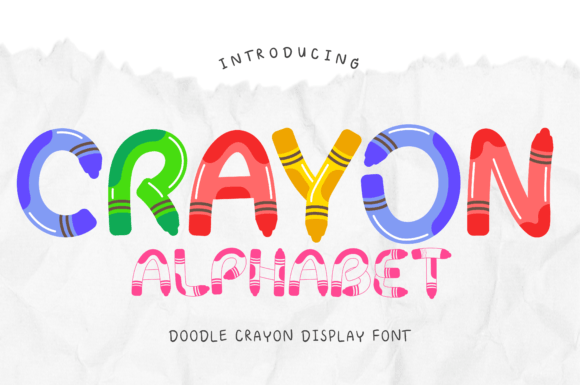
Every designer knows the power of the right typeface to set a mood instantly. Imagine a font that doesn’t just convey words, but also evokes a sense of childhood creativity, warmth, and hands-on artistry. The Crayon Alphabet is precisely that—a vibrant, textured typeface where each letter appears hand-drawn with a classic wax crayon. This distinctive style injects immediate personality and a cheerful, creative touch into any project, moving beyond sterile digital text to create an authentic, engaging visual experience. In the realm of modern graphic design, where standing out is paramount, such unique creative assets are invaluable. The Crayon Alphabet serves as more than just a novelty; it’s a strategic tool for visual communication. Its playful aesthetic can soften a brand’s tone, make educational materials more approachable, or add a layer of nostalgic charm to marketing collateral. For designers, marketers, and business owners, understanding how to leverage this typeface can significantly enhance branding, user engagement, and the overall quality of creative projects.Practical Applications for the Crayon Alphabet
- Branding and Logo Design: Ideal for businesses in the children’s education, family entertainment, or artisanal craft sectors. It helps build a brand identity that feels accessible, fun, and trustworthy.
- Marketing Materials: From flyers and posters for school events to social media graphics for a bakery, it captures attention and communicates a welcoming message. It’s particularly effective in digital marketing aimed at generating positive emotional responses.
- Social Media Content: Creates scroll-stopping posts, engaging stories, and memorable thumbnails. The playful style encourages interaction and shares, boosting overall user engagement.
- Packaging and Merchandise: Adds a delightful, tactile quality to product labels, stickers, and apparel designs. It can make a product feel more personal and lovingly crafted.
- Editorial and Web Design: Use it for headlines in children’s books, blog headers, or website banners to establish a visual hierarchy that is both fun and clear. It can guide the user’s eye in a UI design that aims for a lighthearted experience.
Tips for Effective Implementation
Consistency and Context: Use the Crayon Alphabet as a headline or accent font. Pair it with a clean, neutral sans-serif for body text to maintain readability and a balanced visual hierarchy. This contrast ensures your message is communicated clearly while retaining the playful aesthetic.
Audience and Goals: Always align your font choice with your design goals and audience expectations. While perfect for a daycare center’s logo, it may not suit a corporate law firm’s brand identity. Understanding this alignment is key to effective visual communication.
Technical Considerations: Be mindful of file compatibility. The black version works seamlessly with cutting machines like Cricut, making it perfect for print projects and decals. For full-color designs, the color font files are optimized for advanced software like Adobe Illustrator and Photoshop. Checking compatibility with your design workflow upfront prevents frustration and ensures a smooth creative process.
Ultimately, the most impactful designs stem from thoughtful choices that align form with function. Integrating a resource like the Crayon Alphabet into your creative projects demonstrates an understanding that typography is a fundamental pillar of visual design