Ironrod: A Bold Sans Serif for Commanding Visual Design
In a world saturated with visual noise, a typeface that commands immediate attention is a designer's most powerful asset. Enter Ironrod, a sans serif font that merges the precision of modern typography with the raw, graphic punch of stencil art and Art Deco geometry. This isn't just another font; it's a statement piece, engineered to inject a sense of robust authority and dynamic energy into any creative project.
Understanding the Visual Impact of Ironrod
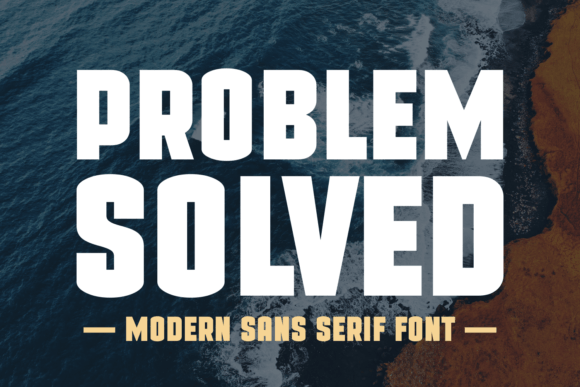
At its core, Ironrod is defined by its strong stencil and block style, a deliberate design choice that creates inherent visual breaks and bold, architectural forms. This characteristic isn't merely decorative; it serves a critical functional purpose. The negative space within and around the letterforms enhances legibility at large scales, making it exceptionally effective for headlines, logos, and display text where instant recognition is paramount. The Art Deco influences lend a timeless sophistication, blending geometric simplicity with a touch of vintage flair that feels both contemporary and classic.
For graphic designers, this font is a catalyst for creating a robust and commanding presence. Its inherent strength lies in its ability to establish a powerful visual hierarchy, ensuring your primary message cuts through the clutter with unwavering clarity.
Practical Applications Across Design Disciplines
The versatility of a well-crafted typeface like Ironrod allows it to excel across a multitude of creative and professional contexts. Its bold aesthetic makes it particularly suited for projects where impact and memorability are key goals.
- Branding and Logo Design: It excels at creating strong, memorable wordmarks and logos for brands in sectors like technology, sports, automotive, or luxury goods that wish to project confidence and innovation.
- Marketing and Advertising: From eye-catching social media graphics and digital ad banners to impactful posters and billboards, Ironrod ensures your call-to-action or key message is impossible to ignore.
- Editorial and Web Design: Use it for magazine covers, section headers, or website hero text to instantly establish a modern, editorial tone. In UI design, it can be used sparingly for prominent buttons or headings to guide user focus.
- Packaging and Environmental Design: The font’s strong character translates beautifully to product packaging, signage, and merchandise, helping products stand out on shelves and in physical spaces.
Integrating a Bold Font into Your Design Workflow
Selecting a powerful display font like Ironrod is just the first step. The true skill lies in its strategic implementation within a broader design system. To maximize its effectiveness, consider these practical tips:
- Prioritize Contrast and Hierarchy: Pair Ironrod with a simpler, more neutral sans serif or serif font for body text. This contrast creates a clean visual rhythm, allowing the bold headlines to anchor the design without overwhelming the reader.
- Consider Context and Audience: While impactful, its strong personality may not suit every project. Evaluate if its aesthetic aligns with your brand's voice and the expectations of your target audience. It thrives in contexts that value boldness and clarity.
- Master Scale and Spacing: As a display typeface, Ironrod is designed to be seen. Use it at larger sizes where its detailed stencil cuts and geometric forms can be fully appreciated. Pay careful attention to kerning and leading to ensure optimal readability and a polished, professional presentation.
- Harmonize with Color and Imagery: Let the font be a central element of your composition. It works exceptionally well with a restrained color palette, high-contrast imagery, or as a typographic overlay on clean backgrounds, reinforcing a modern and intentional design approach.
Ultimately, the power of any creative asset, including a typeface like Ironrod, is unlocked through thoughtful application. It is a tool for visual communication, designed to shape perception and enhance user engagement. By choosing fonts that are not only visually compelling but also functionally sound, designers and creators can build more cohesive, effective, and memorable brand experiences that resonate deeply with their audience.