Starkey Font: Fresh & Elegant Handwritten Typography
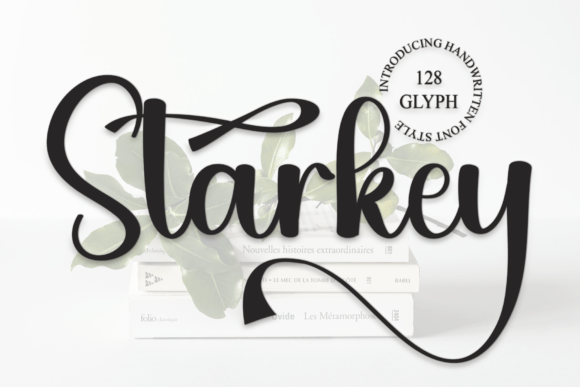
In a digital landscape saturated with sterile, geometric typefaces, a handwritten font with genuine character can be a designer's secret weapon. The Starkey font is exactly that—a charming, handwritten typeface imbued with a sense of freshness and casual elegance that can instantly humanize a visual project.
The Anatomy of a Modern Handwritten Font
What sets Starkey apart in the crowded world of typography is its deliberate, organic imperfection. Its fluid strokes mimic the natural movement of a hand, creating a rhythm that feels authentic and approachable. This isn't a script font that tries to mimic perfect calligraphy; it embraces a relaxed, confident vibe. This quality makes it incredibly versatile, allowing it to inject warmth and personality into projects where a personal touch is paramount. Understanding this core aesthetic is key to leveraging its full potential in your graphic design and branding work.
Practical Applications for Visual Impact
The true value of any creative asset lies in its application. Starkey’s balanced design makes it suitable for a wide range of projects, enhancing both aesthetics and communication.
- Branding & Logo Design: Use Starkey for logotypes, taglines, or secondary brand marks to convey approachability and creativity. It’s particularly effective for brands in lifestyle, artisan, beauty, or food industries where a personal connection is a key part of the brand identity.
- Marketing & Social Media Graphics: Its casual elegance makes it perfect for Instagram stories, quote graphics, promotional banners, and email headers. It stands out in feeds and adds a layer of authenticity to digital marketing content.
- Editorial & Web Design: Employ Starkey for pull quotes, section headings in blogs, or feature titles in magazines. In UI design, it can be used sparingly for specific interactive elements or celebratory messages to enhance user experience with a touch of delight.
- Packaging & Merchandise: From product labels to tote bags and coffee cups, Starkey adds a handcrafted feel that elevates packaging design and physical goods, making them feel more special and curated.
Integrating Typography into Your Design Workflow
Selecting a beautiful font is only the first step. Effective integration into your design workflow ensures it contributes to a professional presentation rather than creating chaos. Here are key considerations:
- Pairing for Hierarchy: Handwritten fonts like Starkey work best when paired with a clean, neutral sans-serif or serif font for body text. This creates a strong visual hierarchy, where Starkey draws the eye to key messages while the companion font ensures readability for longer copy.
- Context and Audience: Always consider your audience's expectations. Starkey’s casual style is perfect for creative, consumer-facing projects but might be less suitable for formal corporate reports or legal documents. Align your typography choice with the project's design goals.
- Color and Composition: Let Starkey shine by placing it against a simple background. Pair it with a thoughtful color palette—soft pastels can enhance its warmth, while bold, solid colors can create striking contrast. Ensure ample white space around the text to maintain its elegant, uncluttered feel.
Ultimately, the most compelling visual design is built on intentional choices. A font like Starkey is more than just letters; it's a tool for building emotional resonance and improving the quality of your communication. By thoughtfully selecting and applying such design assets, you move beyond mere decoration to create work that truly connects, engages, and elevates every creative project you undertake.