Surfing Beach Font: A Wave of Playful Charm for Modern Design
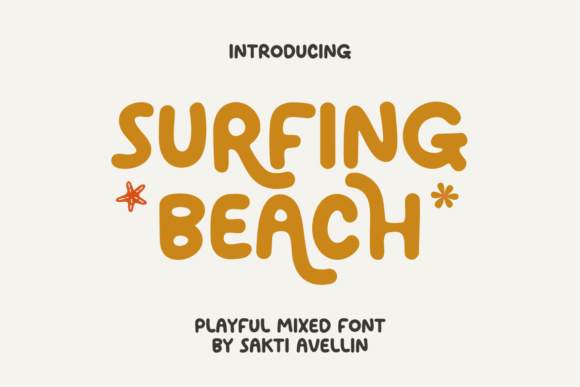
In a digital landscape saturated with clean sans-serifs and stark minimalism, the Surfing Beach font arrives like a refreshing ocean breeze, offering designers a delightful tool to inject personality and warmth into their projects. This typeface isn't just a collection of letters; it's a curated mood, a touch of whimsical charm that can instantly elevate a design from professional to personable. Its lovable, hand-drawn aesthetic, especially when amplified by a fun mix of upper and lower case letters, resonates with a modern audience craving authenticity and joy.
Understanding the Surfing Beach Aesthetic
At its core, Surfing Beach is a display typeface characterized by its rounded, fluid forms and a slightly irregular baseline that mimics the organic feel of hand-lettering. This gives it an approachable, friendly vibe that avoids the rigidity of formal fonts. In modern graphic design, where visual communication must cut through noise quickly, such a distinctive font becomes a powerful asset. It doesn't just convey a word; it conveys an emotion—relaxation, fun, creativity, and approachability.
Practical Applications for Creative Versatility
The true strength of Surfing Beach lies in its remarkable versatility. It’s a creative asset that can be seamlessly integrated across a wide array of design projects, ensuring a cohesive yet lively brand experience.
- Brand Identity & Logo Design: For brands targeting a youthful, lifestyle, or artisan market, Surfing Beach can become the cornerstone of a memorable logo. It works exceptionally well for cafes, boutique shops, surf brands, creative studios, or any business wanting to project a friendly, hands-on identity.
- Marketing & Social Media: This font makes a splash in digital marketing. Use it for Instagram story headers, Facebook ad copy, or Pinterest pins to grab attention. Its playful nature increases engagement, making it perfect for calls-to-action or highlighting special offers in a way that feels inviting rather than aggressive.
- Merchandise & Packaging: Imagine Surfing Beach on a jazzy coffee mug, an inspiring quote on a tote bag, or playful branding on artisanal product packaging. Its character translates beautifully to print design, adding tangible value and shelf appeal to physical goods.
- Editorial & Web Design: While not suited for body text, it shines in editorial layouts for pull quotes, subheadings, or chapter titles. In web design, it can be used sparingly for hero section headlines or button text to create visual hierarchy and inject personality into the user interface (UI).
Integrating Surfing Beach into Your Design Workflow
Effective use of a display font like Surfing Beach requires thoughtful integration. To maintain a professional presentation, consider these tips for your design workflow:
- Pair with Purpose: Balance its whimsy with a clean, neutral typeface for body text. A simple sans-serif like Open Sans or Lato creates a perfect contrast, ensuring readability while letting the headline font shine. This maintains visual hierarchy and clarity.
- Context is Key: Evaluate if the font’s personality aligns with your project’s goals and audience. It excels in contexts meant to feel casual, fun, or artistic. For a corporate financial report, it would be out of place, but for a children’s book cover or a music festival poster, it’s ideal.
- Test for Scalability: Always check how the font renders at various sizes. While its details are charming at large headline sizes, ensure it remains legible when scaled down for smaller applications like mobile UI buttons or fine print on packaging.
- Explore OpenType Features: Many professional fonts include alternate characters and ligatures. Experimenting with these can help you create unique typographic compositions, making your use of Surfing Beach even more customized and dynamic.
Ultimately, the font you choose is a silent ambassador for your message. Surfing Beach offers more than just letterforms; it provides a voice—a cheerful, creative, and engaging one. By thoughtfully selecting and applying such quality creative assets, designers and creators can do more than just present information; they can craft an experience, strengthen brand recall, and build a genuine connection with their audience, proving that great design is as much about feeling as it is about function.