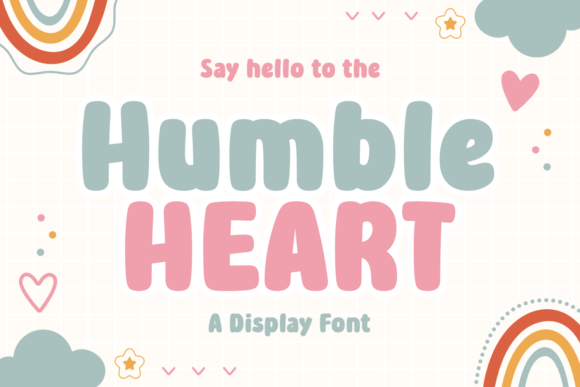
Humble Heart: A Font with Unstoppable Charm
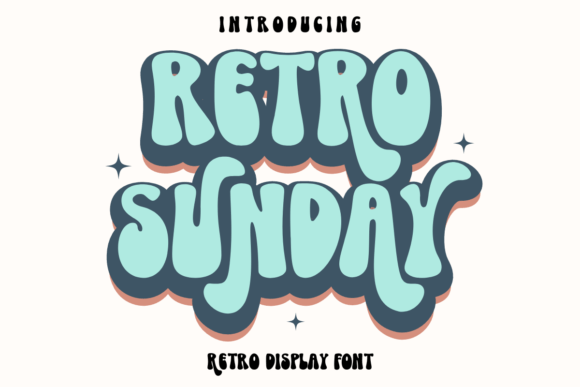
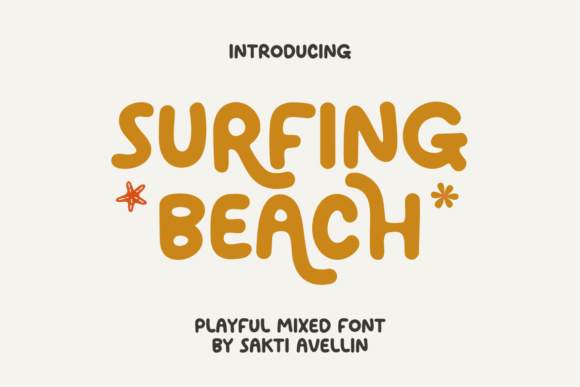
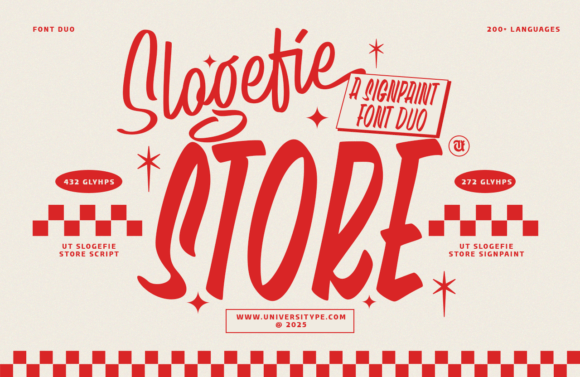
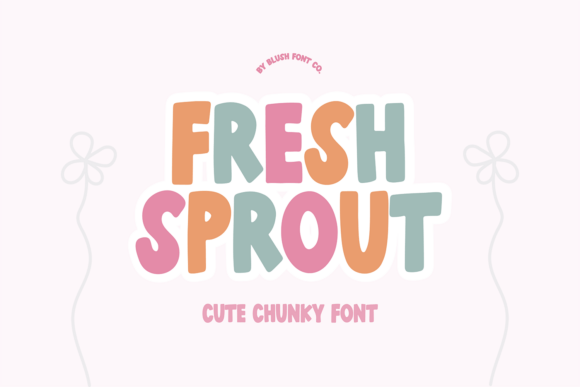
Every designer knows the moment a project stalls, searching for that one element to inject personality and focus. The right typeface can be that catalyst, transforming a layout from static to striking. Enter Humble Heart, a compelling display font that radiates an unstoppable charm, delicately garnishing all creative endeavors. This bold yet sophisticated typeface dances with an engaging rhythm of ease and simplicity, carving a niche for itself in captivating headlines, attention-grabbing posters, and diverse display elements.
Blessed with a casual finesse and captivating nuance, Humble Heart metamorphoses ordinary headlines, invitations, and creativity into exemplary stunners. Its strength lies in balancing approachability with a distinct visual presence, making it a versatile tool in a designer's typography arsenal. Understanding how to leverage such creative assets is fundamental to effective visual communication and building a strong brand identity.
Practical Applications in Modern Design
The true value of a typeface like Humble Heart is realized through its application. Its character makes it ideal for projects requiring a human touch without sacrificing professionalism. Consider its role across various design contexts:
- Branding & Logo Design: It can serve as a logotype for brands aiming for a friendly, authentic, or artisanal identity. Its legibility at scale ensures a logo remains clear on everything from business cards to signage.
- Marketing & Social Media Graphics: For digital marketing, its bold weight commands attention in crowded social media feeds. It’s perfect for promotional banners, quote graphics, and video thumbnails that need to stop the scroll.
- Editorial & Web Design: In editorial layouts, it can draw readers into feature articles. On websites, it creates impactful hero sections and clear calls-to-action, enhancing user experience through visual hierarchy.
- Packaging & Merchandise: Its charming aesthetic lends itself beautifully to product packaging, labels, and merchandise, helping to tell a product’s story and connect with consumers on an emotional level.
Tips for Integrating Display Fonts Effectively
Selecting a display font is just the first step. To ensure it enhances rather than overwhelms your design, follow these guidelines:
- Establish Hierarchy: Use a bold, expressive font like Humble Heart for headlines and key phrases. Pair it with a clean, neutral sans-serif or serif for body text to maintain readability and create a clear visual flow.
- Consider Context and Audience: A font’s personality should align with the brand’s voice and the project’s goals. Does the playful charm of this typeface suit a corporate financial report? Likely not. But for a boutique café’s menu or a creative agency’s portfolio, it’s perfect.
- Test for Scalability and Readability: Always test your type choices at various sizes. A font that looks stunning in a large headline must still be legible when used in a smaller subheading or on a mobile screen.
- Maintain Consistency: Once you choose a typeface for a brand or campaign, use it consistently. This builds recognition and reinforces the brand identity across all touchpoints, from social media graphics to print design.
Ultimately, the power of thoughtful design lies in the details. Choosing quality creative assets like a well-crafted typeface is an investment in clarity, emotion, and connection. It ensures your message isn’t just seen but felt, elevating the overall quality of your visual storytelling and leaving a lasting, professional impression on your audience. In the realm of graphic design, such intentional choices are what separate the mundane from the memorable.